
5-month duty relief for cotton imports
Move To Keep Prices In Check, Aid Textile Industry


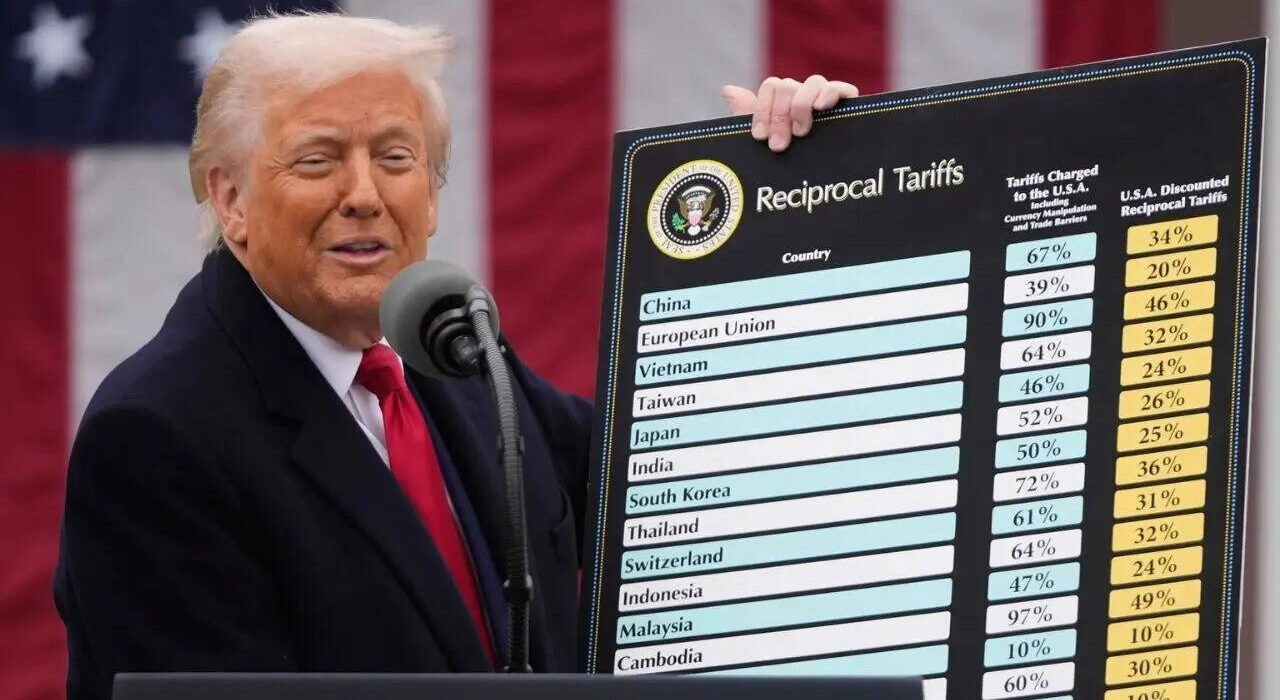
The Trump administration plans to appeal a court order allowing all importers who paid struck-down tariffs to seek refunds. This move could significantly slow down the multibillion-dollar repayment process already underway.
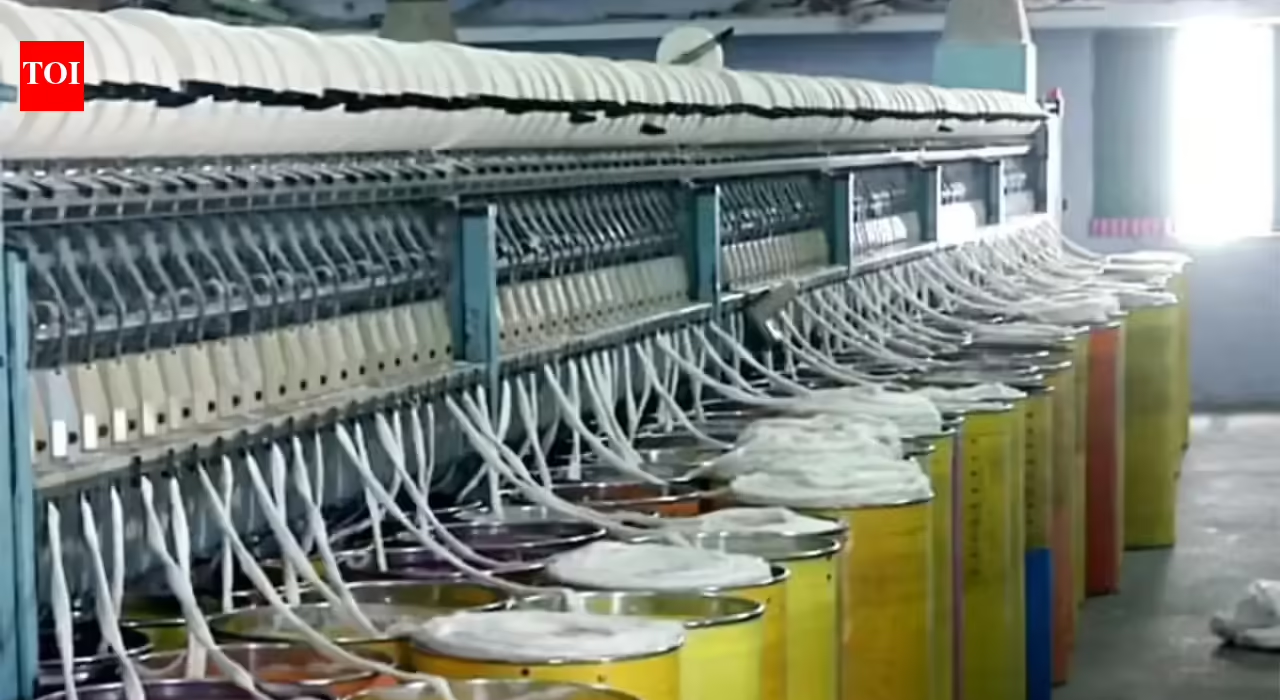
The Centre has exempted customs duties on cotton imports for five months until October 30, aiming to boost availability and reduce costs for India’s textile sector. This move is expected to enhance competitiveness, particularly benefiting MSMEs and enabling garment exporters to secure orders more effectively amidst global volatility.

India and the Eurasian Economic Union (EAEU) are currently negotiating a limited, temporary trade arrangement for specific goods as part of broader free trade agreement talks. Russian Economic Development Minister Maxim Reshetnikov described the discussions as complex, with India’s requests being ambitious.

The government has waived customs duties on cotton imports for five months until October 30, 2026, effective June 1, 2026. This measure aims to boost cotton availability for the domestic textile industry, reduce input costs for manufacturers, and support SMEs. The exemption is intended to benefit the entire value chain, including consumers, while considering domestic

New environmental regulations, like the EU’s carbon tax and India’s proposed credit trading scheme, are making ESG a crucial business compliance issue, not just voluntary reporting. Experts warn companies without robust carbon data systems risk losing competitiveness. Implementation readiness and data credibility are now paramount for navigating these evolving global standards and securing green finance.

The Centre has withdrawn the draft Sugarcane (Control) Order, 2026, following objections from state governments and stakeholders. The proposed framework aimed to update the 1966 order and regulate ethanol and khandsari sectors. Concerns over redefining khandsari units and potential impacts on small-scale operations led to the withdrawal for further review.
India’s economy shows ‘cautious resilience’ despite global headwinds like Middle East conflict and rising oil prices. While manufacturing and services remain strong, and forex reserves offer a buffer, inflation concerns are mounting due to wholesale price surges. A weaker monsoon could further challenge growth and rural demand.