






Business
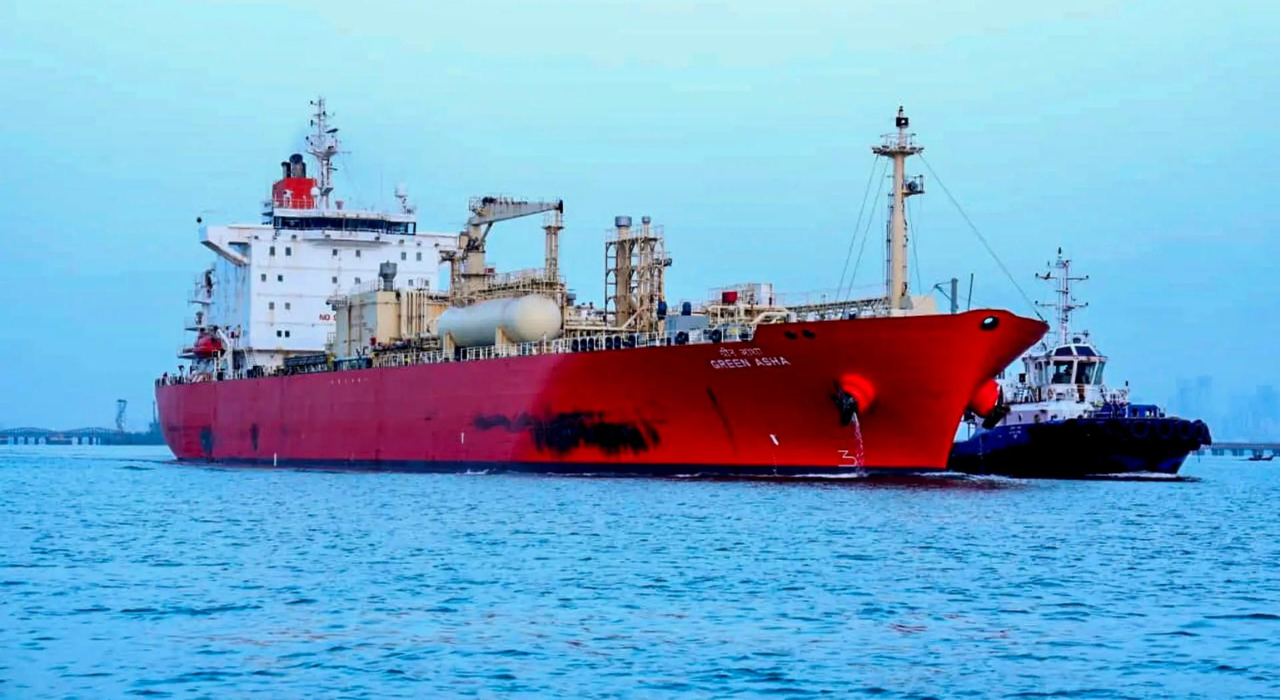
Strait of Hormuz control: Open or shut? Toll system, new conditions and what the ceasefire really means for global shipping — 15 FAQs answered
A fragile ceasefire has eased immediate escalation risks in the Strait of Hormuz, but shipping remains constrained and conditional. While limited vessel movement has resumed, it’s far from normal, with security considerations dictating transit and global energy markets remaining sensitive to any disruptions.

Business
Jefferies’ Christopher Wood sees Pakistan as IMF-driven tactical trade, remains positive on India long term
Global equity strategist Christopher Wood notes Pakistan’s recent stock surge is an IMF-driven rebound, not a structural shift. He views Pakistan as a high-beta trading opportunity tied to bailout cycles, contrasting it with India’s stronger long-term investment potential due to its robust fundamentals and consistent earnings.

Business
Will RBI’s move to stop rupee’s free fall backfire? What experts say
The sudden nature of the measures and tighter controls risk creating an impression that India may be stepping back from its efforts to deepen integration with global financial markets.
Business
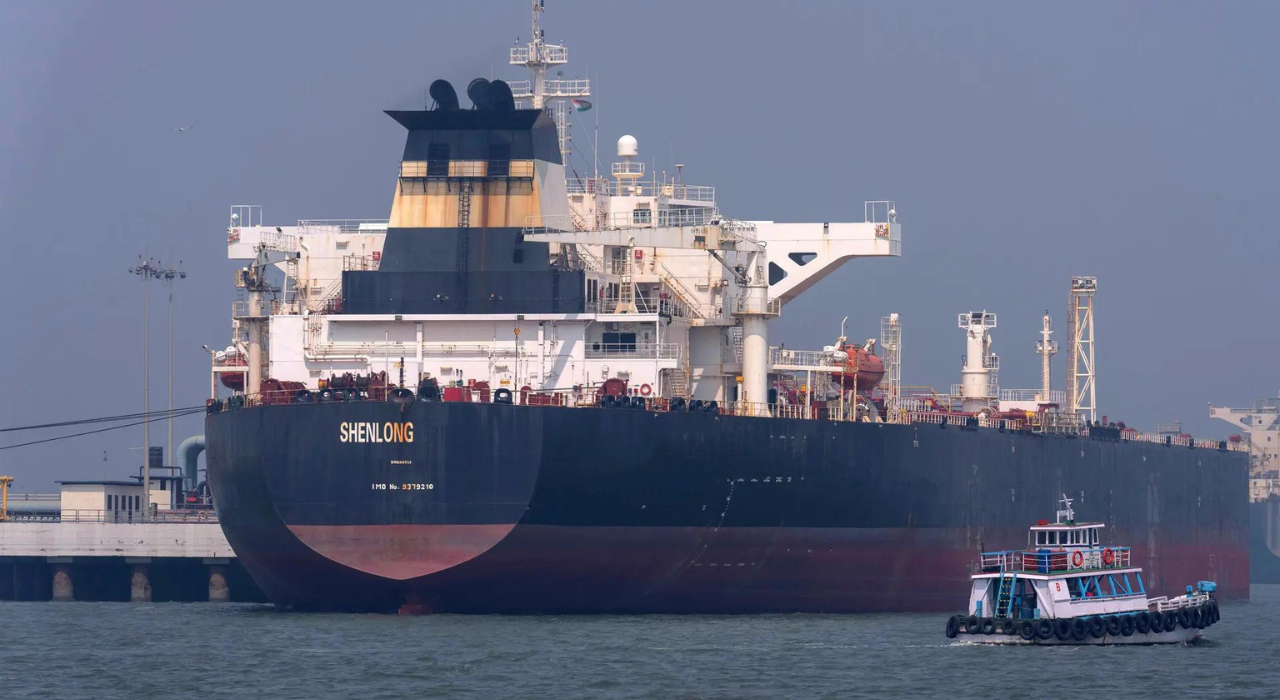
Controlled movement, alternate routes, crypto tolls: Strait of Hormuz under new order — what has changed
Global energy flows are severely restricted through the Strait of Hormuz following a fragile ceasefire. Iran has imposed a strict 15-vessel daily limit, demanding prior approval and rerouting ships closer to its coast. This controlled transit, coupled with threat warnings and potential crypto tolls, creates significant uncertainty and delays for vital oil and gas supplies.